
By Faith Sonya
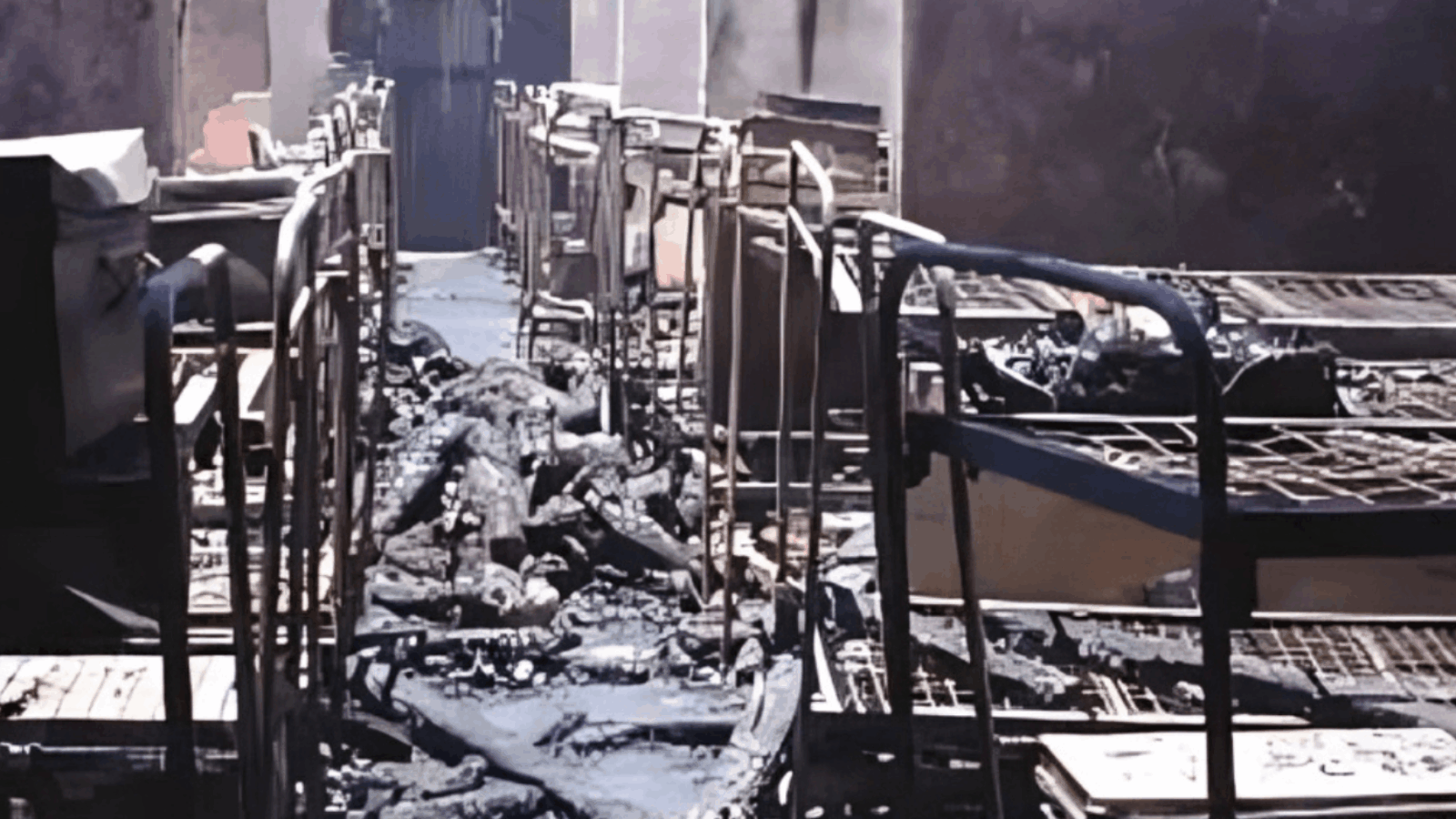
On the night of 25 March 2001, Kenya experienced one of the deadliest school disasters in its history. At Kyanguli Secondary School in Machakos County, a fire engulfed a boys’ dormitory while students were asleep. By morning, 67 students had lost their lives and many others had suffered serious injuries.
More than two decades later, the tragedy remains a painful reminder of the importance of school safety, emergency preparedness, and student wellbeing.
What Happened?
The fire broke out at approximately 1:00 a.m. when most students were asleep in their dormitory. Panic spread quickly as students attempted to escape the flames and smoke. Unfortunately, many were unable to get out in time.
Investigations later revealed that the fire had been deliberately started by students. However, beyond the criminal aspect of the incident, the tragedy exposed serious concerns about emergency preparedness, student welfare, dormitory safety, and crisis response systems in schools.
The nation mourned as families, teachers, and communities struggled to come to terms with the loss of dozens of young lives whose futures had been cut short.
Lessons from the Tragedy
1. School Safety Is More Than Buildings and Fences
Many schools invest heavily in physical infrastructure, but safety goes beyond walls, gates, and classrooms. A safe school environment includes emergency preparedness, student wellbeing, effective supervision, and a culture where risks are identified and addressed before they become disasters.
2. Student Wellbeing Is a Priority
One of the lessons that emerged from the Kyanguli tragedy is that student concerns should never be ignored. Schools must create channels through which learners can express frustrations, fears, and grievances safely and constructively.
Guidance and counselling services are not optional extras; they are an important component of school safety.
3. Emergency Exits Save Lives
In any emergency, every second matters. Dormitories, classrooms, dining halls, and assembly areas should have clearly marked and accessible exits. Students and staff should know evacuation procedures and practice them regularly.
4. Safety Training Must Be Continuous
Emergency preparedness should not begin when a crisis occurs. Teachers, non-teaching staff, and students should receive regular training on emergency response, fire prevention, evacuation procedures, and first aid.
5. Every School Needs a Safety Culture
Safety should not be the responsibility of one individual. It should be part of the daily culture of the school. Students should feel empowered to report hazards, staff should be vigilant, and school leaders should prioritize prevention.
Progress Since the Tragedy
Following a series of school disasters, including the Kyanguli fire tragedy, the Ministry of Education strengthened efforts to improve school safety across the country.
In 2008, the Ministry of Education launched the National School Safety Standards Manual, a comprehensive guide aimed at helping schools identify risks, prevent emergencies, and improve preparedness.
The manual covers areas such as fire safety, disaster preparedness, health and sanitation, infrastructure safety, child protection, and emergency response planning.
Schools were encouraged to establish safety committees, conduct regular drills, and create safer learning environments.
The development of the manual was an important milestone and demonstrated the government’s recognition that school safety requires a structured and proactive approach.
Why Are We Still Losing Lives in Schools?
Despite the existence of safety guidelines and standards, school fires and other preventable incidents continue to occur.
In September 2024, the nation was once again shaken by a deadly dormitory fire in Nyeri County that claimed the lives of students and left many others injured. The tragedy reignited discussions about compliance with safety regulations and emergency preparedness in schools. (Reuters)
More recently, in May 2026, another devastating dormitory fire occurred at Utumishi Girls Academy in Gilgil, Nakuru County. The fire claimed the lives of at least 16 students and injured dozens more. Reports indicate that the blaze broke out shortly after midnight while learners were asleep, once again raising questions about school safety measures, emergency response systems, and compliance with established safety standards. (Dawan Africa)
These incidents remind us that having safety policies is not enough. Policies must be implemented, monitored, and continuously improved.
The Way Forward
The question is no longer whether schools need safety systems. The question is whether schools are fully committed to implementing them.
Every school should:
- Conduct regular safety audits.
- Maintain functional fire detection and firefighting equipment.
- Carry out evacuation drills regularly.
- Train staff in emergency response and first aid.
- Strengthen counselling and student support services.
- Establish clear reporting mechanisms for safety concerns.
- Appoint dedicated personnel responsible for school safety.
- Review and update emergency response plans annually.
Conclusion
The Kyanguli fire tragedy remains one of Kenya’s darkest moments in education. While we cannot change what happened in March 2001, we can honour the memories of those who lost their lives by ensuring that the lessons from that tragedy are not forgotten.
The continued occurrence of school fires more than two decades later shows that school safety is not a one-time project. It is a continuous commitment.
Every learner deserves to learn in an environment where their safety is prioritised. Every parent deserves confidence that their child will return home safely. And every school has a responsibility to make that vision a reality.
Sources
- Kyanguli Fire Tragedy (historical background). (Wikipedia)
- Ministry of Education, Kenya – National School Safety Standards Manual (2008).
- Reuters report on the Utumishi Girls Academy fire, Gilgil, May 2026. (Reuters)
- Government statements on the Gilgil school fire. (Dawan Africa)
A wonderful serenity has taken possession of my entire soul, like these sweet mornings of spring which I enjoy with my whole heart. I am alone, and feel the charm of existence in this spot, which was created for the bliss of souls like mine. I am so happy.
my dear friend, so absorbed in the exquisite sense of mere tranquil existence, that I neglect my talents.
I feel that I never was a greater artist than now. When, while the lovely valley teems with vapour around me, and the meridian sun strikes the upper surface of the impenetrable foliage of my trees, and but a few stray gleams steal into the inner sanctuary.