
By Faith Sonya
School trips are often some of the most memorable experiences in a student’s life. They provide opportunities for learning, exploration, and personal growth outside the classroom.
However, they also introduce risks that schools must carefully manage.
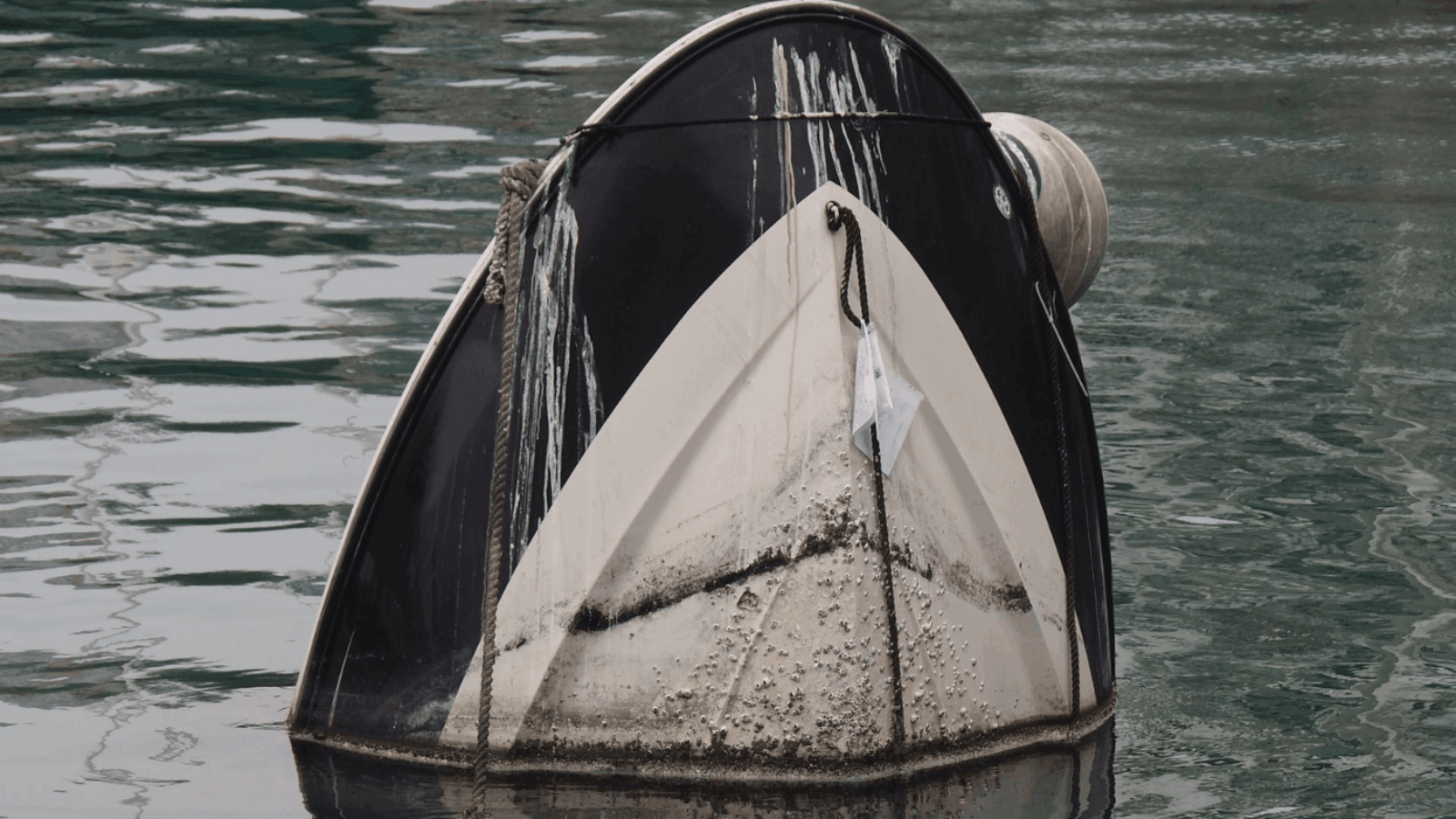
In September 2018, a boat carrying pupils, teachers, and other passengers capsized in Lake Victoria near Mbita, Homa Bay County. Several learners lost their lives while others were rescued. The incident shocked the nation and raised serious questions about safety planning during educational trips.
Although the accident occurred outside school grounds, it was still a school-related activity. The tragedy demonstrated that a school’s responsibility for student safety does not end at the school gate.
What Went Wrong?
Investigations and reports pointed to several factors commonly associated with water transport accidents:
- Possible overloading of the vessel.
- Challenges in enforcing safety procedures.
- Limited emergency preparedness.
- Dependence on external transport providers.
- Insufficient risk assessment before the journey.
While the exact circumstances varied according to reports, the tragedy highlighted the importance of thorough planning whenever students participate in activities away from school.
Lessons for Schools
1. Learning Activities Must Be Matched with Safety Planning
Educational trips are valuable, but every activity should be preceded by a detailed risk assessment.
2. Schools Remain Responsible Beyond the School Compound
Parents entrust schools with the safety of their children during school-organized activities. This responsibility extends to transport, accommodation, excursions, and recreational activities.
3. Emergency Preparedness Is Essential
Every school trip should include emergency contacts, medical information, evacuation procedures, and contingency plans.
4. Third-Party Providers Must Be Vetted
Whether using buses, boats, hotels, or activity centers, schools should verify safety standards before engaging service providers.
5. Staff Need Training for Off-Site Supervision
Supervising learners in unfamiliar environments requires preparation, vigilance, and clear communication.
Recommendations
- Conduct written risk assessments before every school trip.
- Obtain informed parental consent.
- Verify safety certifications of transport providers.
- Ensure adequate staff-to-student ratios.
- Carry emergency medical supplies.
- Develop emergency communication plans.
- Brief learners on safety expectations before departure.
- Establish procedures for monitoring learners throughout the trip.
A Broader Lesson
The Lake Victoria tragedy reminds us that school safety is not confined to classrooms, dormitories, and playgrounds.
Every school activity carries risk. The question is not whether risks exist but whether schools are prepared to identify, manage, and reduce them.
Safe learning should continue wherever learning takes place.
A wonderful serenity has taken possession of my entire soul, like these sweet mornings of spring which I enjoy with my whole heart. I am alone, and feel the charm of existence in this spot, which was created for the bliss of souls like mine. I am so happy.
my dear friend, so absorbed in the exquisite sense of mere tranquil existence, that I neglect my talents.
I feel that I never was a greater artist than now. When, while the lovely valley teems with vapour around me, and the meridian sun strikes the upper surface of the impenetrable foliage of my trees, and but a few stray gleams steal into the inner sanctuary.