
The School Safety Lessons We Often Overlook
By Faith Sonya
When school safety is discussed, people often think about fires, bullying, or major emergencies. Yet some of the most common school injuries occur during activities designed to promote health, recreation, and physical development.
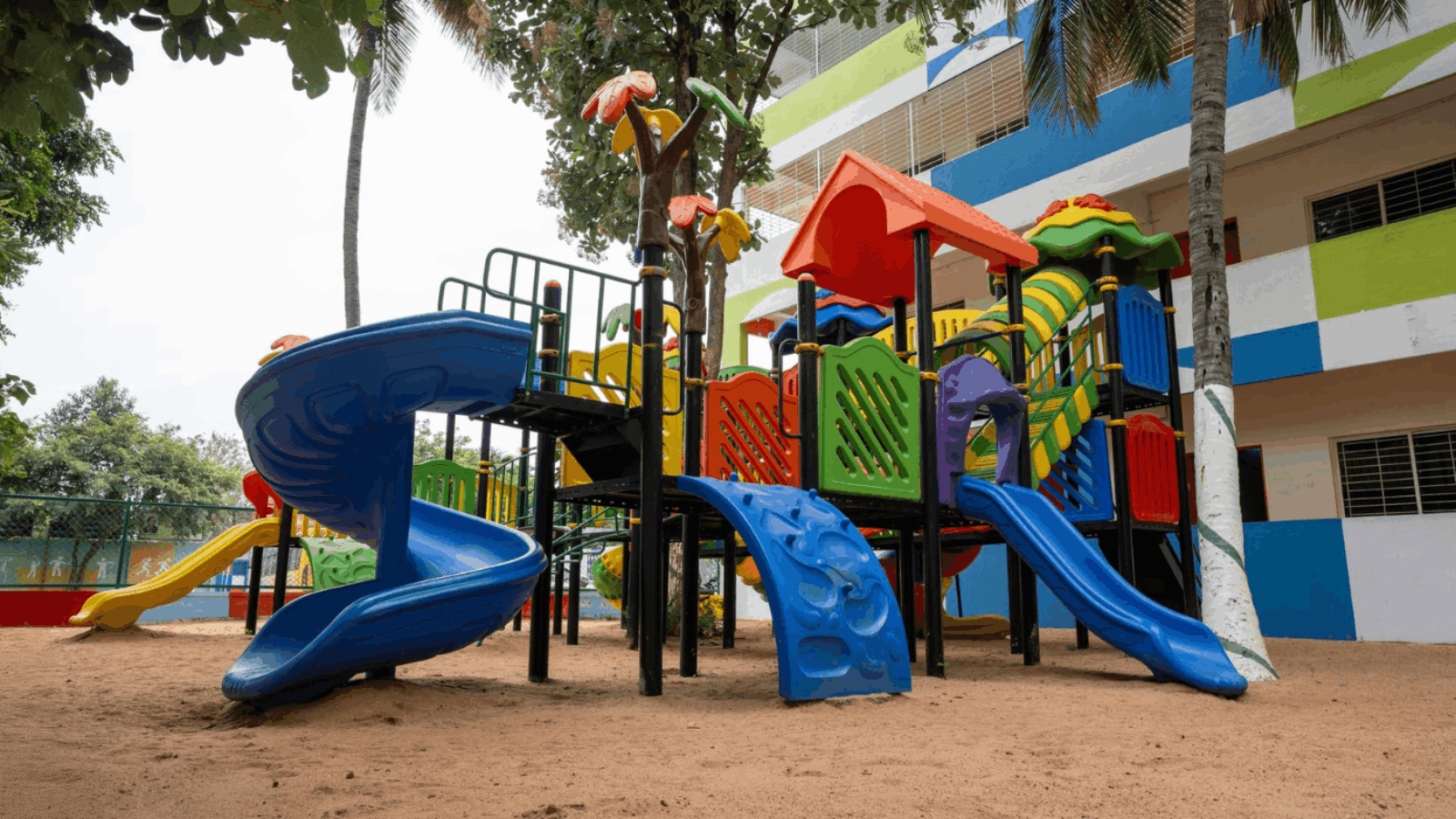
Playgrounds and sports fields are essential parts of school life. They help learners develop physically, socially, and emotionally. However, without proper safety measures, these spaces can also become places where serious injuries occur.
A Normal School Day
Imagine a typical break time at a primary school.
Children are running, laughing, and playing. Some are climbing on playground equipment while others are participating in sports activities. Teachers are busy supervising different areas of the school compound.
One learner climbs onto a piece of playground equipment and loses balance. The child falls awkwardly to the ground.
At first, classmates think the learner is simply frightened. However, it soon becomes clear that the child cannot stand. The learner complains of severe pain and is unable to move the affected limb.
What began as a normal school day has suddenly become a medical emergency.
The First Few Minutes Matter
In many schools, the difference between a minor incident and a serious outcome depends on what happens during the first few minutes.
Questions immediately arise:
- Who is trained to respond?
- Is a first-aid kit available?
- Is there a nurse on site?
- How will parents be contacted?
- Is transportation available if the learner requires urgent medical attention?
- Has the area been secured to prevent additional injuries?
Without clear procedures, confusion can quickly replace effective action.
Common Causes of Playground and Sports Injuries
Many school injuries result from:
- Unsafe or poorly maintained equipment.
- Wet or uneven playing surfaces.
- Lack of supervision.
- Overcrowded playgrounds.
- Inadequate sports training.
- Failure to use appropriate protective equipment.
- Learners engaging in risky behaviour.
- Poorly planned physical activities.
While not every injury can be prevented, many can be significantly reduced through proper planning and risk management.
Lessons for Schools
1. Safety Should Be Built into Recreation
Playgrounds and sports fields should be designed and maintained with safety in mind. Equipment should be inspected regularly and repaired promptly when defects are identified.
2. Staff Need Basic First-Aid Skills
The first adult on the scene is often a teacher rather than a healthcare professional. Basic first-aid knowledge can help stabilize an injured learner while awaiting medical assistance.
3. Emergency Procedures Should Be Clear
Every staff member should know what to do when an injury occurs. Delays caused by uncertainty can worsen outcomes.
4. Supervision Matters
Many injuries occur when children are left unsupervised or when staff are responsible for monitoring too many learners at once.
5. Prevention Is Better Than Response
Regular safety inspections can identify hazards before injuries occur.
Recommendations for Schools
To reduce playground and sports injuries, schools should:
- Conduct routine inspections of playgrounds and sports facilities.
- Repair damaged equipment immediately.
- Ensure playing surfaces are safe and well maintained.
- Train teachers and support staff in first aid.
- Maintain accessible and fully stocked first-aid kits.
- Develop clear injury response procedures.
- Ensure effective supervision during break times and sporting activities.
- Establish partnerships with nearby healthcare providers.
- Keep emergency contact information readily available.
- Educate learners on safe play practices.
Looking Beyond the Injury
A playground injury may seem like an isolated incident, but it often reveals broader questions about school preparedness.
Was the hazard identified beforehand?
Were staff trained to respond?
Did the school have the resources needed to manage the situation?
How quickly was medical assistance provided?
Every injury presents an opportunity to learn and improve.
Conclusion
Playgrounds and sports fields should be places where learners grow, explore, and enjoy healthy physical activity. They should not become places where preventable injuries occur.
Creating safer recreational spaces requires more than good intentions. It requires planning, training, supervision, and a commitment to continuous improvement.
When schools prioritize safety during play and sports, they protect not only the wellbeing of learners but also the confidence of parents and the reputation of the institution.
Because every child deserves to learn, play, and thrive in a safe environment.
A wonderful serenity has taken possession of my entire soul, like these sweet mornings of spring which I enjoy with my whole heart. I am alone, and feel the charm of existence in this spot, which was created for the bliss of souls like mine. I am so happy.
my dear friend, so absorbed in the exquisite sense of mere tranquil existence, that I neglect my talents.
I feel that I never was a greater artist than now. When, while the lovely valley teems with vapour around me, and the meridian sun strikes the upper surface of the impenetrable foliage of my trees, and but a few stray gleams steal into the inner sanctuary.